 VapeWholesaleHub
Private Label Mech Mod: Steps From Idea to Carton — EU Markets
We ship mech mod to distributors in very different markets, and the same five questions come up almost every week. Rather than answer them in email each time, we have written them out properly here.
Where Mech Mod Sits in the Range
Category planning for mech mod works best when you map it against three shopper types: the restocker who already knows what they want, the switcher who wants something stronger, and the explorer who buys on flavour name alone.
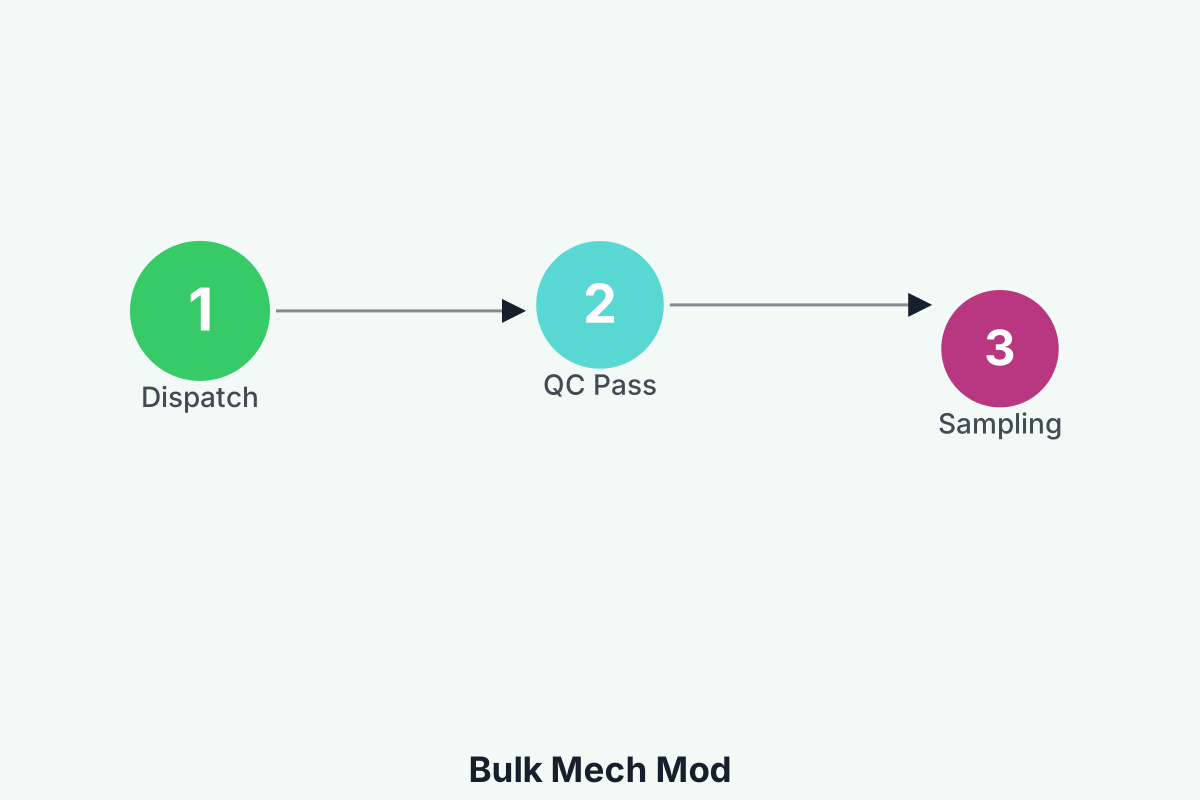
Inspection Before Dispatch
Inspection is only useful if the result is recorded somewhere you can find it later. A mech mod batch log with weights, codes and measurements turns a future complaint into a five minute lookup.
- Check carton dimensions against your freight quote before confirming.
- Plan the switch from air to sea freight before you need it.
- Agree the tolerance band in writing before approving artwork.
- Rotate stock by batch code rather than by delivery date.
- Keep sealed retained samples from every production batch.
Freight, Customs and Timing
Plan the mech mod customs paperwork at the same time as the order, not when the goods are on the water. A missing document costs more in demurrage than the entire freight saving from a cheap forwarder.
Market Signals
Flavour cycles in mech mod are shortening, which argues for smaller test orders and faster feedback loops rather than large speculative buys on a predicted winner.
Modelling a Healthy Margin
Tiered pricing works best when the tiers match real customer behaviour. Most mech mod buyers will take the second tier if the step is modest and the third tier only if they can see a genuine reason to hold more stock.
Indicative reference points for planning purposes: entry tier from USD 1.74 per unit at 500 units, mid tier at USD 0.81, and volume tier at USD 1.37 for full container quantities. These figures move with specification, packaging and freight, so treat them as a shape rather than a quote.
Practical Checklist
- Keep sealed retained samples from every production batch.
- Ask how the factory measures puff count, then compare like with like.
- Start with a mixed carton and let your own sell-through decide.
- Confirm the current customs classification with your own broker.
- Plan the switch from air to sea freight before you need it.
- Write the complaint threshold into the order terms.
Frequently Asked Questions
What happens if my market changes its rules?
Regulations move, and packaging or documentation sometimes has to follow. We keep approved artwork files on hand so that a required change is a reprint rather than a redesign, which keeps the cost and delay down.
What information do you need to quote?
Target specification, approximate quantity, destination and any packaging requirement. With those four we can usually come back with a costed option the same working day rather than a request for more information.
What if a batch does not match the sample?
Keep the retained samples from the approval stage. If a delivered batch measurably differs, we compare against the retained set and resolve it against the production record. This is why we insist on sealed retained units from every run.
How do you handle a short shipment?
Cartons are counted and weighed before dispatch and the figures are shared with you. If something is short on arrival, the packing record and the carrier documentation are both available, which keeps the claim straightforward.
Next Step
Whether you order from us or elsewhere, keep a retained sample from every batch. It costs almost nothing and it is the single most effective protection available to a mech mod buyer.
Related Reading
- Mech Mod When to Add a Second Factory — Warehouse Teams
- Mech Mod Promotional Mechanics That Do Not Erode Value — Step by Step
- Mech Mod Flavour Development: From Brief to Production — Before Your Next Order
- Where Mech Mod Fits in a Balanced Vape Assortment — Landed Cost Worked Through
- Mech Mod Handling Product Recalls Professionally — Repeat Orders
- Mech Mod Warranty and After Sales: Setting Expectations — Warehouse Teams